
Tenerife - Mentorship
Dates
open
Choose your own start date
Duration: 7 days
Participants
Minimum participant : 1
Maximum participant : 2
Transport

Content




DIVING REQUIREMENTS
OWD/1* + 20 dives
Please present your diving certifications upon arrival.
HEALTH REQUIREMENTS
A diving medical certificate less than 12 months old is required to participate in this workshop.
You are in good physical condition and can carry out 3 dives per day.
Guides
Prices & Info
INCLUDED IN THE PRICE
Airport Transfer from/To Tenerife South (Spain, Canaria Islands)
14 Dives (Tank + weight only)
Overnight stays in 3* Hotel (7 nights*)
Breakfast - Lunch - Dinner - Snacks - soft drinks, mineral water, locally produced beers, wines, and spirits.
Speedboat
Video/Photo guidance with Olivier Bourgeois
Introduction to Post-production (3 Hours)
Introduction to Marine Life and Conservation
* Extra nights are possible but optional, do not hesitate to ask us.
*NOT INCLUDED IN THE PRICE
Flight (Roundtrip) to Tenerife South (Spain, Canaria Islands) | Travel & Diving Insurance | Diving Equipment** | Photo & Video Equipment***
** Subject to availability you can rent a camera + housing set more info contact us
*** Rental Equipment (6 days) : Mask, Boots and Fins : Offered | BCD, Regulator or Wetsuit (per item) : 56€ | Full Equipment (BCD, Regulator, Dive Computer, Wetsuit) : 140€
TENERIFE – LOS GIGANTES – VOLCANIC LANDSCAPES AND MARINE LIFE
This one-week underwater photo and video workshop takes you to the heart of the Canary Islands, along the wild volcanic coast of western Tenerife. While Tenerife may not immediately come to mind when thinking of underwater photography or filming, prepare to discover a destination that will both surprise and captivate you. Tenerife is teeming with life. Its rich waters host an exceptional level of marine biodiversity. Far from the common clichés often associated with the Atlantic, visibility here regularly exceeds 25 meters, offering truly favorable conditions for underwater imaging.
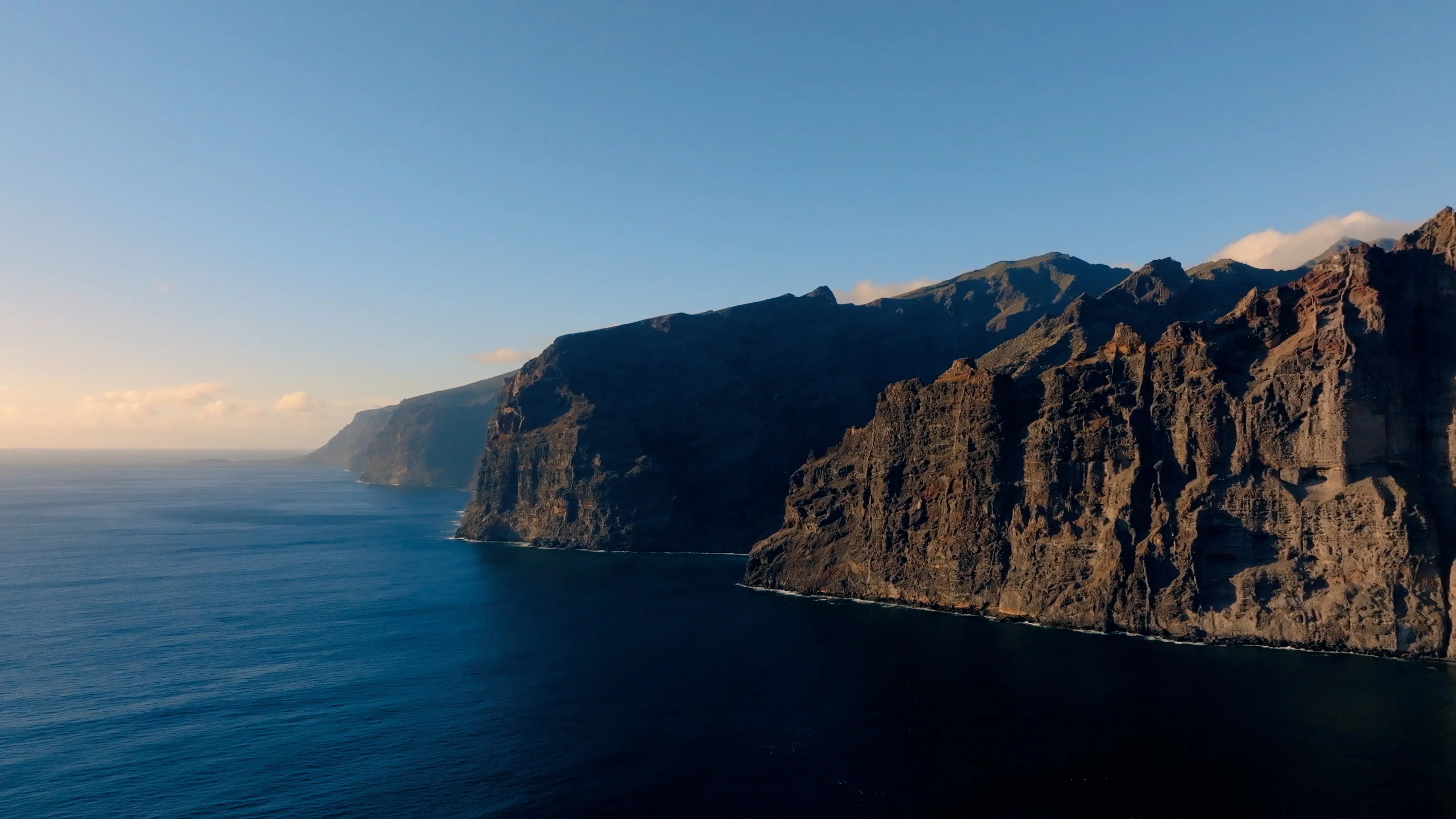
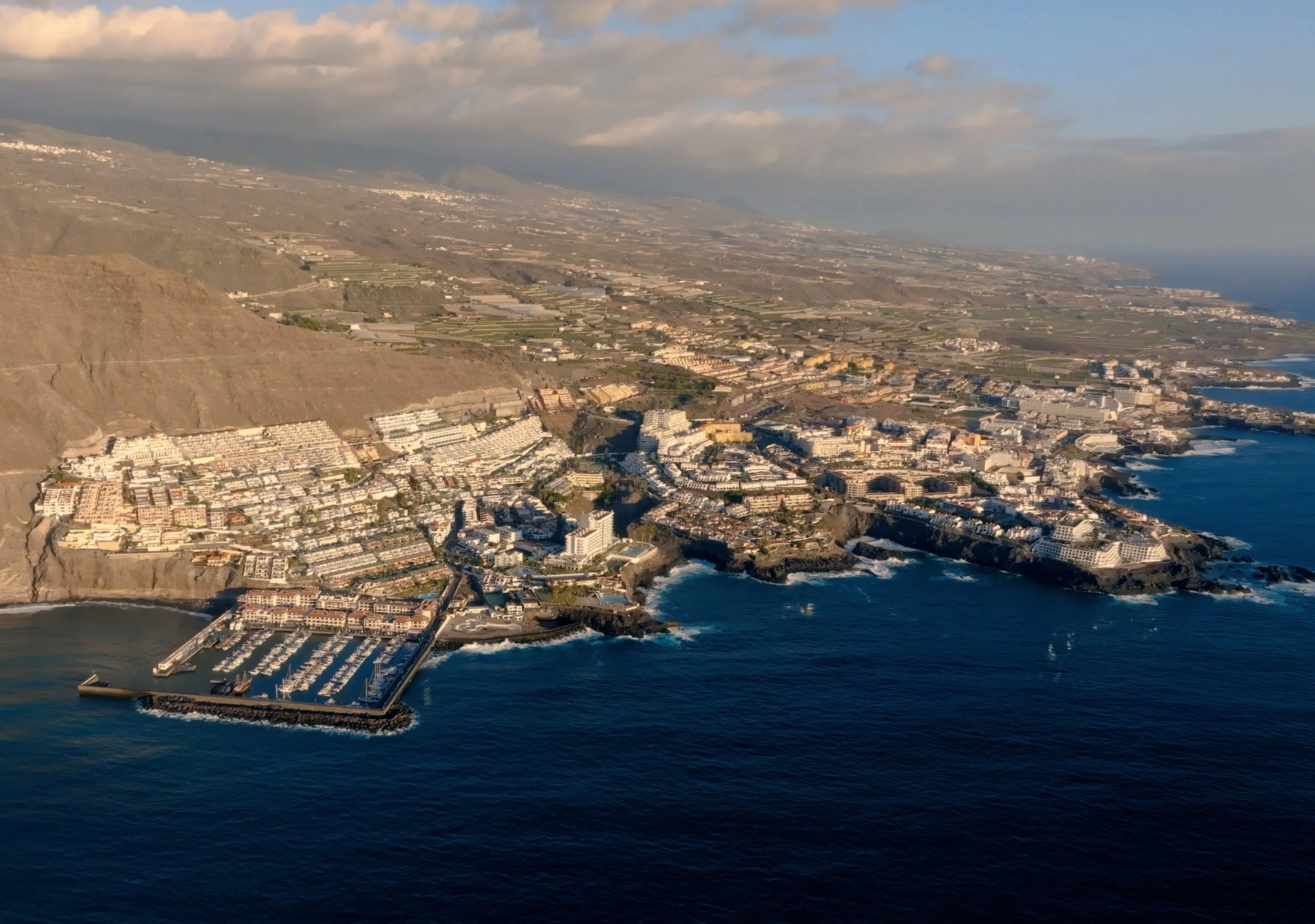
We have chosen Los Gigantes, a small marina nestled at the foot of towering volcanic cliffs once called "The Devil's Wall," as the base for this mentorship. This choice is driven as much by the raw beauty of its underwater landscapes as by its logistical advantages. Protected from mass tourism, we have access to 17 dive sites, all just a few minutes away by boat, with the guarantee of being the only dive group on each site. This rare exclusivity allows for ideal conditions to film or photograph marine life.
Only a 4 to 5 hour flight from mainland Europe, Tenerife offers a complete change of scenery without crossing hemispheres. Dominated by Mount Teide — the third highest volcano in the world — the island is in constant contrast between rock and sea. With a favorable climate that allows diving almost year-round (except in January and February), Tenerife is an outstanding playground for underwater photographers and videographers.
How do you capture high-quality underwater images in the particular conditions of the Atlantic? In Tenerife, the waters are clear but colder, the light is strong and often directional, and currents may vary depending on the site. All of these factors have been carefully considered to develop a method and organization based on very specific standards — our own: fully personalized dives with Olivier Bourgeois, full flexibility in choosing dive times and sites according to light, swell, or marine activity, long dives (over 60 minutes), and, most importantly, no other dive groups on our sites. All boat trips are fully privatized and depart directly from the marina at Los Gigantes. On site, we have a dedicated rinsing station for our photo and video equipment, as well as a fully private preparation area. Each day alternates between field dives, personalized feedback sessions, and an introduction to post-production or marine life knowledge sessions.
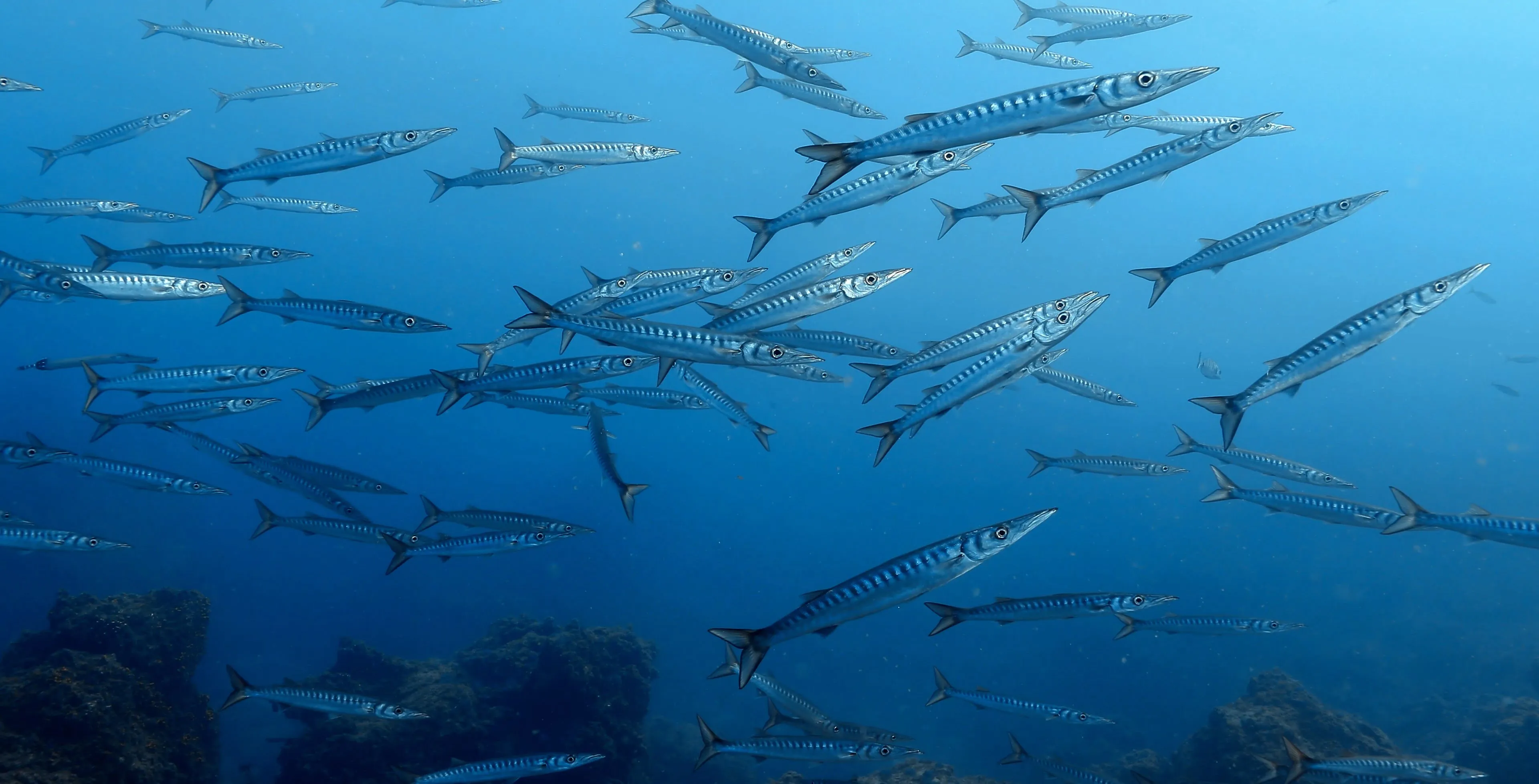
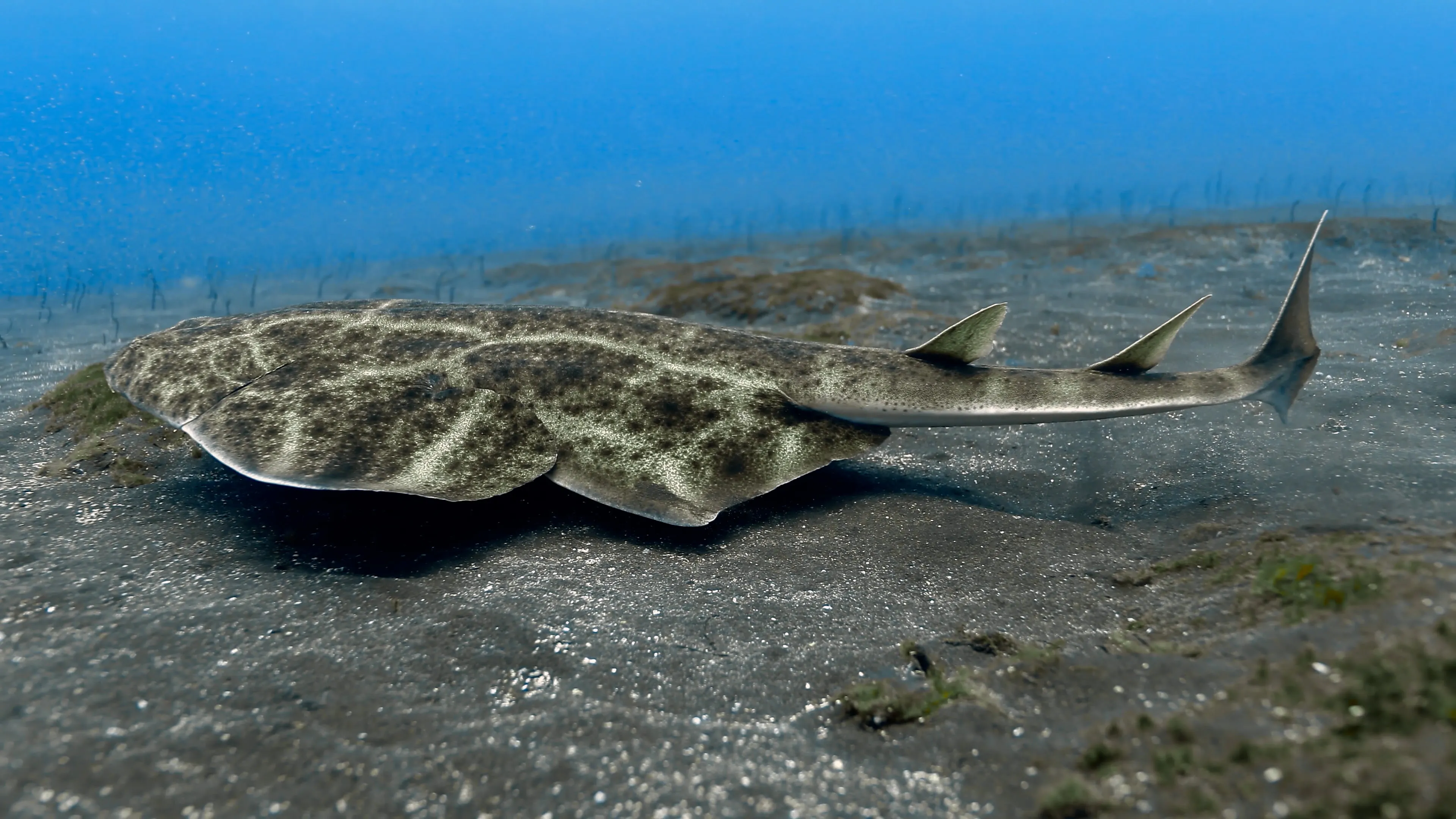
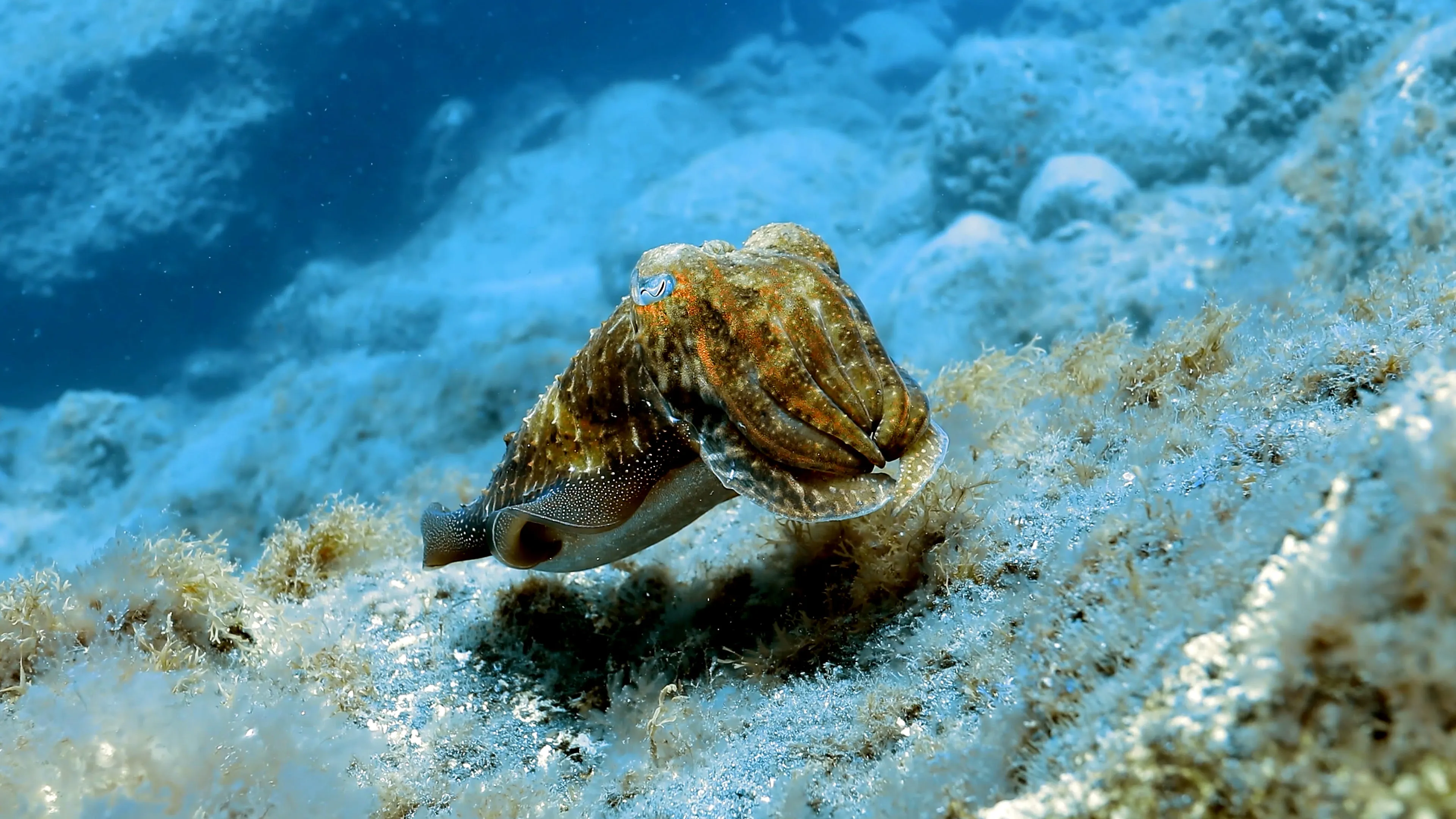
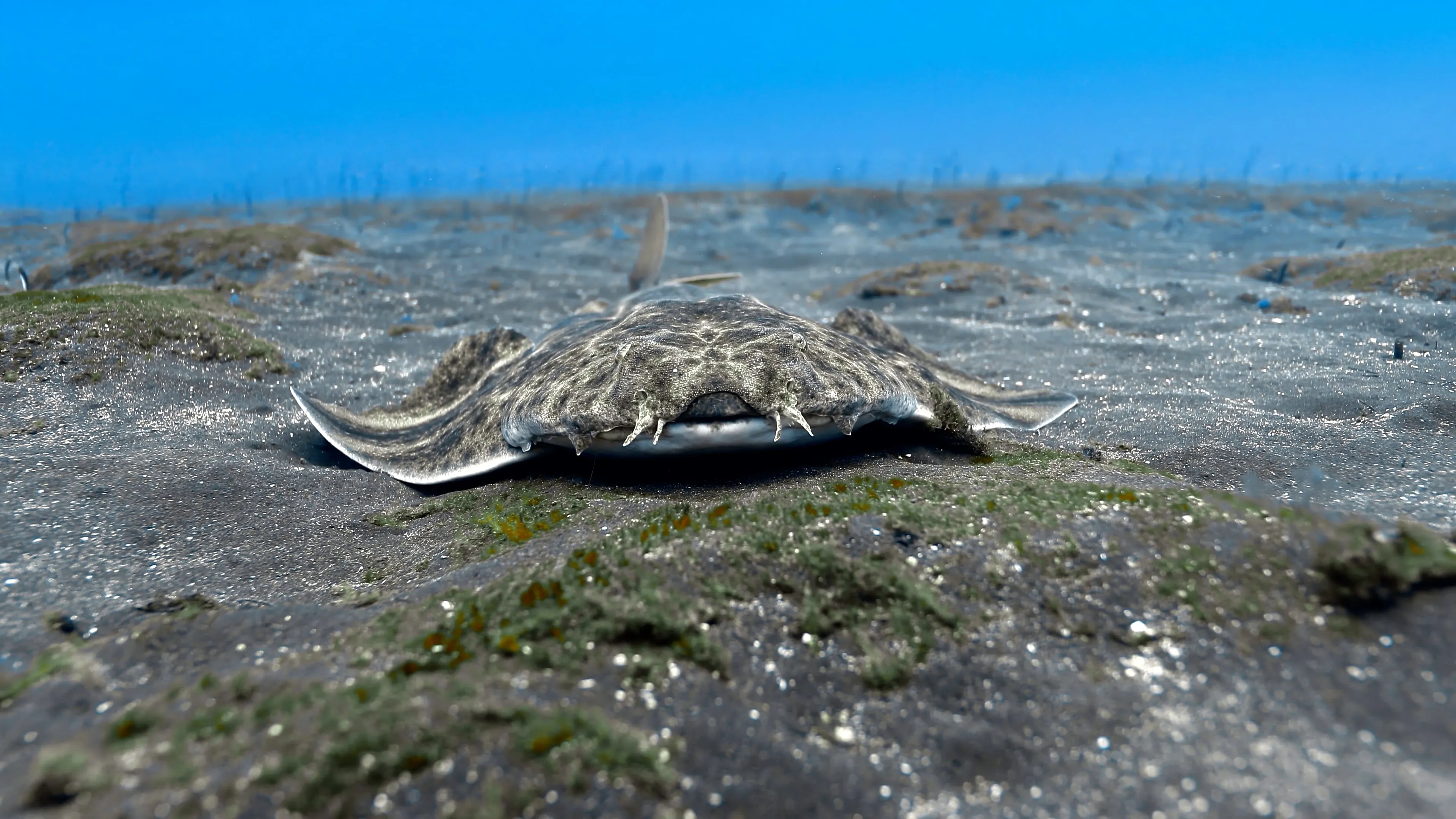
After thoroughly exploring the island across seasons, we've identified mid-spring as the optimal time for this mentorship. Tourist activity is low, sea conditions are more stable than often expected, and visibility ranges between 20 and 25 meters. The goal is twofold: to allow you to capture the very best that Tenerife has to offer, while providing optimal conditions for developing your eye, your technique, and your sense of underwater timing. The choice of this period is no coincidence: in mid-May, when the water is still cool (21–22°C), conditions are particularly favorable for exceptional encounters. You may encounter angel sharks camouflaged in the sand, butterfly rays gliding just above the bottom, cuttlefish in full courtship display, or tiger moray eels emerging from the rock crevices, with, always in the background, large schools of grunts and barracudas.
The advantage in Los Gigantes is our full flexibility to organize each outing day by day, adapting to the signals the ocean gives us. Because here, as always, nature remains our best guide.
Our Daily Routine
Since we have exclusive access to the dive center, this underwater photo and video mentorship offers us full flexibility: choosing dive sites based on the light, adjusting schedules according to conditions, and modifying the program at any time. We usually start the day with a relaxed breakfast and a one-on-one briefing on the local marine life, the specific features of the sites we plan to dive, and the preparation of our equipment. Our private boat allows us to reach a wide variety of sites within minutes: volcanic arches, rocky drop-offs, or sandy plains. Each day, we complete 2 to 3 dives. During or shortly after lunch, together we review the images captured that day, conduct personalized coaching, and analyze the behaviors we observed underwater. And because we have complete flexibility, each day can be adapted: if the light is perfect over a lava arch, we adjust the plan; if sea conditions shift, we select a more suitable site. Here, nature and marine life set the pace.
Light, and marine life are our guides.
Of course, no one can legally guarantee encounters with angel sharks, turtles, butterfly rays, or any other marine species. That's why we've designed a flexible organization while following strict operational guidelines to give you the highest possible chance of unique encounters and exceptional footage. Whether you are capturing images of marine life, massive fish schools, basalt columns, caves, or the dramatic volcanic architecture of Tenerife's underwater landscapes, good visibility and optimal light conditions allow you to produce high-quality raw footage.
Photo and Video Requirements
To get the most out of this mentorship, solid knowledge of your own photo or video equipment and the basics of underwater shooting is a real advantage. If you are not fully confident with your settings, Olivier Bourgeois is fully available to assist you on site. On the first day of the mentorship, we will dive at a site located just 5 minutes by boat from the marina to review key technical settings such as shutter speed, ISO, aperture, and more, ensuring you are fully prepared for this 100% image-focused, 100% enjoyment adventure.
Underwater, everything seems deceptively slower, but in reality, you often have only a few seconds to capture the right frame or sequence. That's why we recommend using a camera with fast and reliable autofocus.
A Surreal Cinematic Landscape
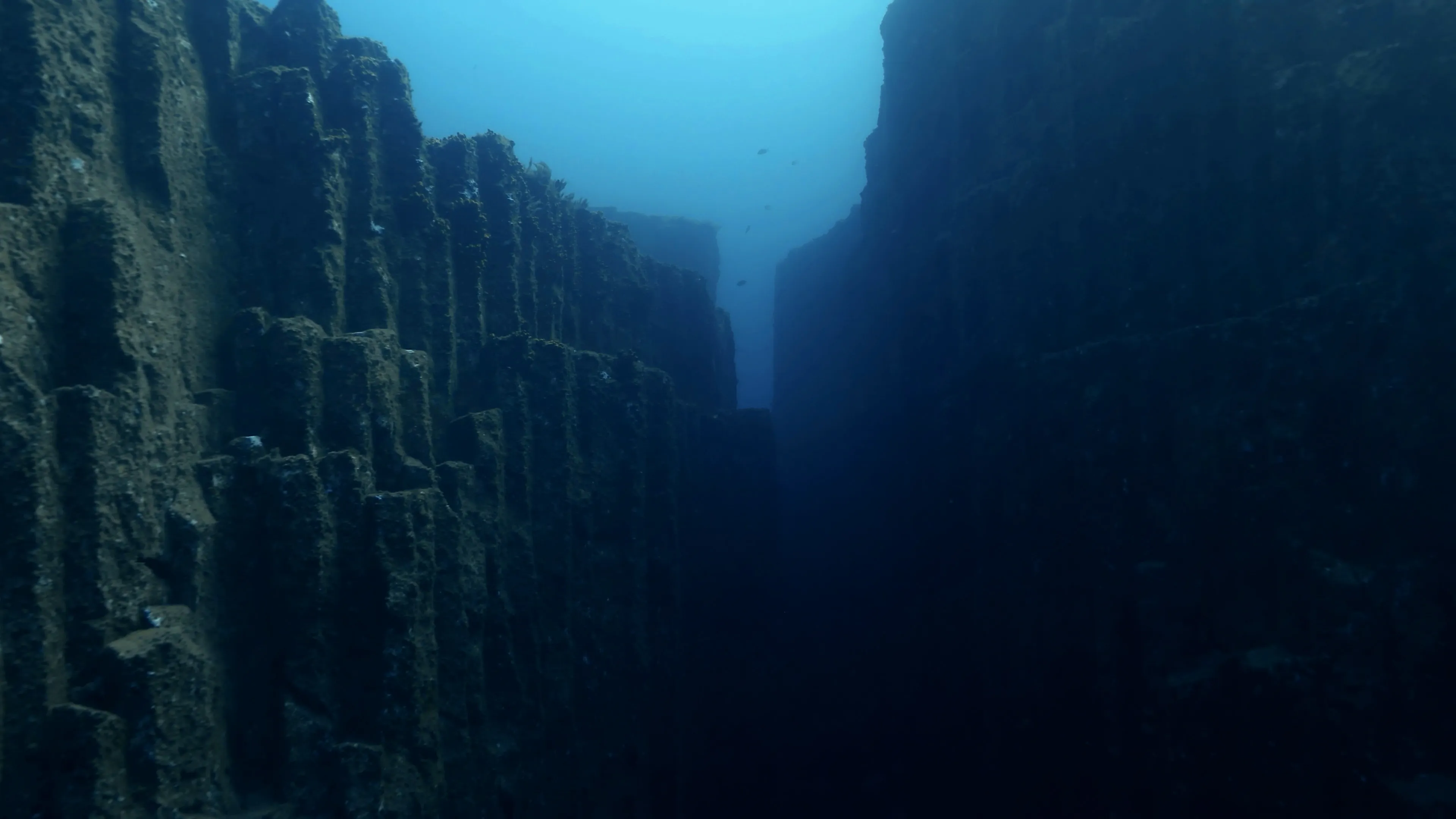
Located in the eastern Atlantic, off the coast of Morocco, Tenerife's volcanic seabed creates an underwater landscape reminiscent of the Galapagos. Here, there are no colorful coral gardens, but rather raw, black rock shaping a striking mineral scenery somewhere between science fiction and geological poetry. Basalt columns, massive arches, tunnels, and caverns, Los Gigantes is a stone amphitheater, both austere and majestic, perfectly designed for underwater imagery, born from the meeting of fire and water.
This is far from the tropical waters of the Indian Ocean or the Caribbean. Light doesn't flood the scene; it filters between the rock faces, carving out the contours, revealing the volumes of this volcanic architecture. The strong contrasts present a real challenge for underwater photography and videography: you must learn to work with the shadows, anticipate changes in light intensity, and find the right angle. And this is precisely why this mentorship will help you take your skills to the next level.
FROM RARE OR ENDANGERED SPECIES TO THE MOST ICONIC MARINE LIFE OF TENERIFE
Angels and Butterflies
The angel shark (Squatina squatina) is, without a doubt, one of the ultimate prizes for underwater photographers and videographers. Once widespread from the North Atlantic to the West African coast in the early 20th century, the angel shark is now critically endangered and listed by the IUCN (International Union for Conservation of Nature) as one of the world's 100 most threatened species. For us, having the chance to photograph or film this harmless, flattened shark in its natural habitat remains an incredible experience — a true privilege. Tenerife (like the rest of the Canary Islands) has become a real sanctuary for this master of camouflage, and during May, encounters with angel sharks are extremely frequent.
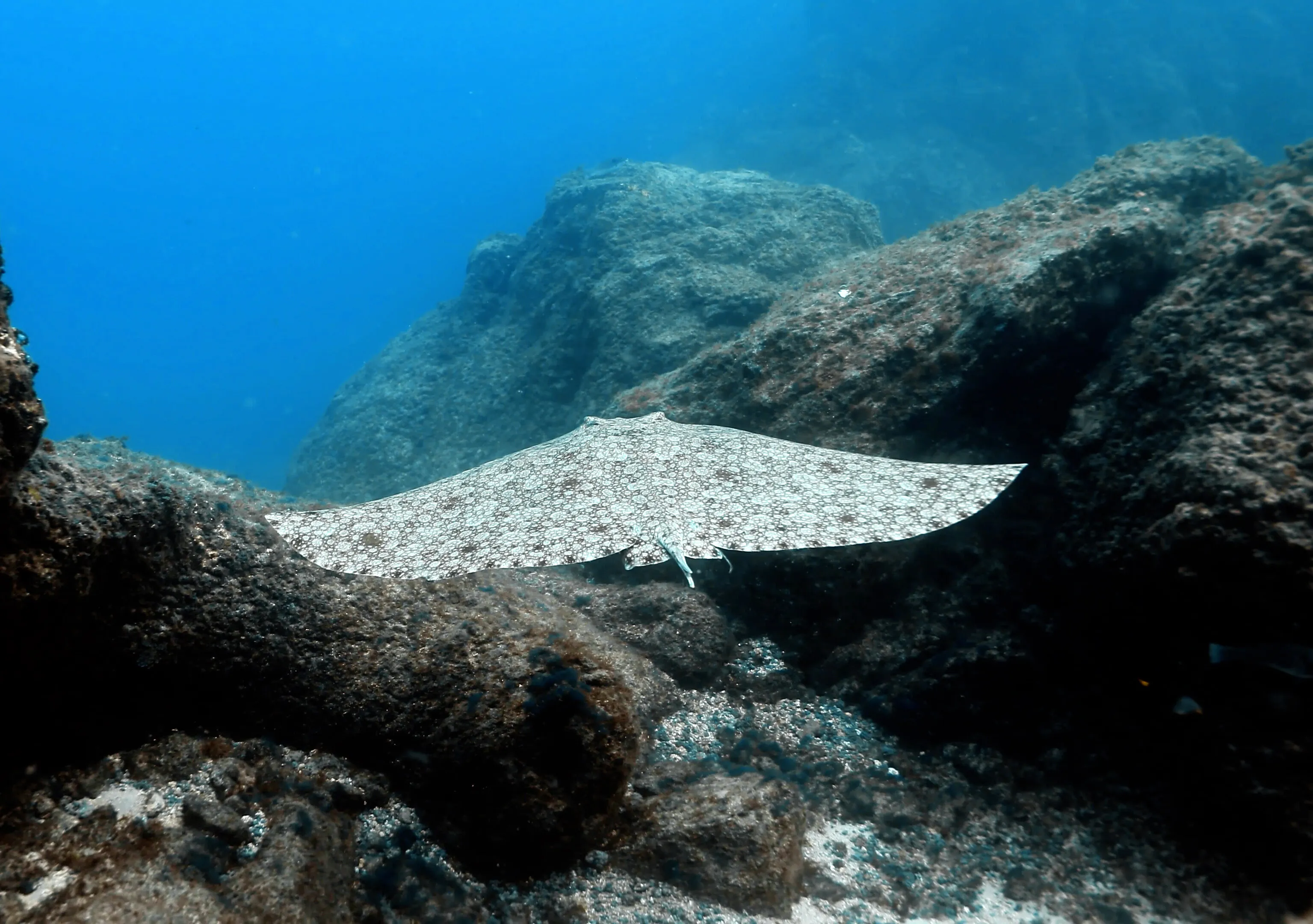
But in Los Gigantes, the angel shark is far from the only one gliding across the seabed. Less known but equally spectacular, the butterfly ray is another remarkable species we regularly encounter at this time of year. Its flight has something hypnotic, almost surreal, like a glider suspended in motion. Also classified as a threatened species, it appears on the IUCN Red List and remains rare in many other parts of the world.
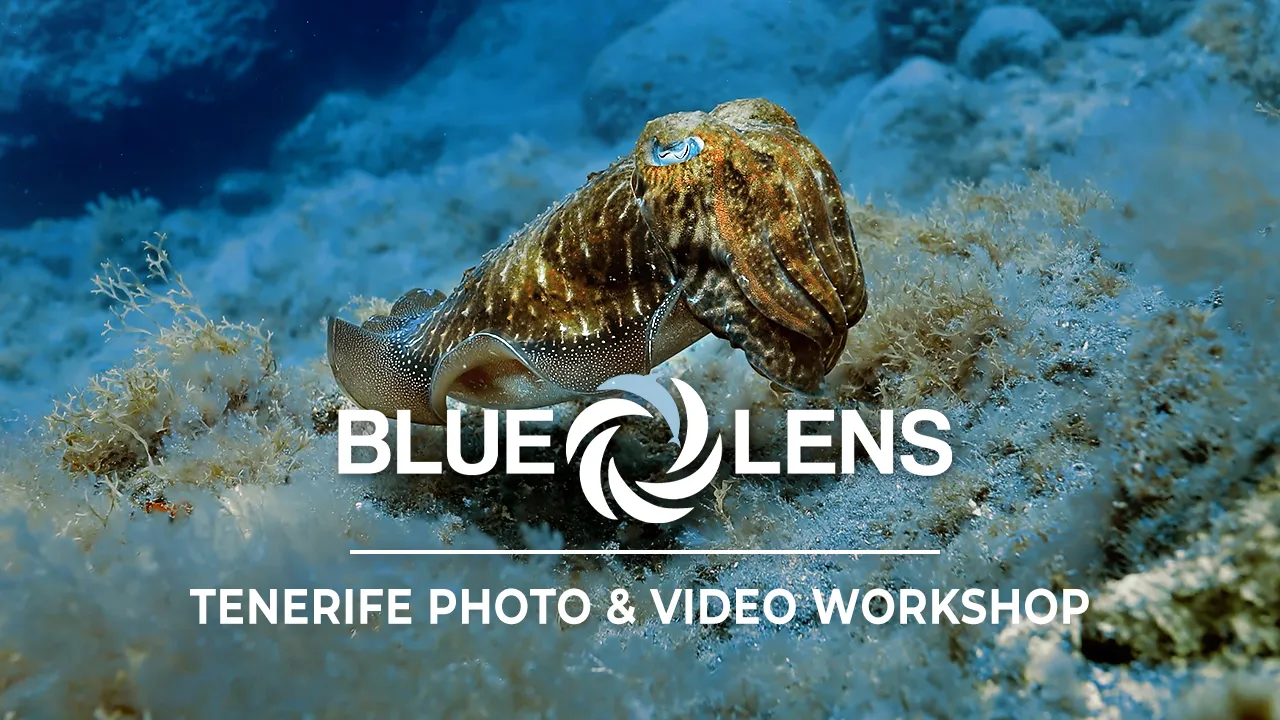
With over 250 fish species, the volcanic seabed of Los Gigantes offers a surprisingly rich concentration of marine life. In the first few meters, within the shallow rocky areas, you'll encounter parrotfish grazing on the rocks, colorful ornate wrasses swirling through the water, and schools of damselfish suspended mid-water. As you descend further, you reach a more structured zone: fissures, arches, overhangs, and rocky bottoms between 10 and 20 meters deep. Here you may observe tiger moray eels hiding in crevices, cuttlefish hovering in the water column, large swirling schools of barracudas, and dense groups of striped and hybrid grunts. Trumpetfish often patrol these rocky areas, closely following the contours of the reef. This zone offers ideal conditions for capturing close-up behavioral shots or immersing yourself into massive schools of salema.
Deeper, between 20 and 30 meters, the mixed sandy and rocky areas host other species. It's not uncommon to encounter a curious red porgy, drawn to the reflections of the dome port, or a pair of groupers (serrans) circling an overhang. In these more open zones, between rock and sand, you may also encounter bull rays, small groups of little tunny, groupers, striped bonitos, or the impressive African stingray .
What is most surprising at these depths is how dense and diverse the marine life remains, far beyond what one might expect from the Atlantic.


1. The mentorship program!
In this one-to-one mentorship, award-winning underwater cinematographer Olivier Bourgeois opens the doors to his world and shares with you, personally, all his secrets, his creative process, his methods to approach the marine fauna, and hard-earned lessons from years of professional underwater filmmaking. It's a fully personalized experience, you will dive together, review footage together, and shape your technical and artistic skills dive after dive. No filters, no rush, just you and a direct line to a professional who guides, observes, helps you improve and enjoy the pleasure of making great shots.
2. Our Hotel
We stay in a comfortable 3-star hotel complex. The rooms (24 to 26 m²), all equipped with private bathrooms and air conditioning, are located about 10 minutes by minibus from the dive center that hosts us during the mentorship. The beds are large and comfortable. Each room includes a desk, allowing you to handle your underwater photo and video equipment: assembling and disassembling your gear, cleaning, greasing housing seals, reassembling, organizing lenses, setting up your battery chargers, and transferring your photos or videos from the day to a hard drive or directly to your laptop if you bring one.
3. Our Typical Day in Los Gigantes
The day begins with a relaxed breakfast (optional, for those who prefer a slower start), followed by a one-on-one briefing. We then proceed with 2 to 3 dives per day, all conducted on the various sites around Los Gigantes. Around 1 PM, we take a lunch break. In the afternoon, when we are not diving, we hold a short and practical theory session (never exceeding two hours). Together we review your footage, discuss shooting techniques and camera settings, and guide you through key steps of post-production. At the end of the day, we enjoy a relaxed moment over a drink before heading to dinner, a simple time to review the day's footage and unwind after a great day at sea.
4.Dive Program & Sea Outings
Since only our small group is present on the dive sites, we follow a highly flexible program that can constantly adapt to weather conditions, light orientation, and sea state. Departing from the marina, we have access to 17 dive sites, all located within a short distance (between 5 and 20 minutes by boat). While transport to the sites may occasionally be shared, once in the water, it's just you and Olivier — like a compact, mobile film crew. The boat and minibus are fully privatized for our needs, ensuring comfort and complete freedom in planning our schedule. Mineral water, electrolyte tablets (for hydration), and anti-fog solutions are always available.
5. Tenerife in May
- • Visibility: 15 to 25 meters
- • Water temperature: 21° to 23°C
- • Air temperature: 22°C (night) to 26°C (day)
- • Recommended wetsuit: full-length / 7 to 9 mm with hood or semi-dry suit
IMPORTANT: All dives are done one-to-one with Olivier. This exclusive format offers undivided attention and allows for real-time support, personal feedback, and dives tailored to your pace and creative intent. It also creates the ideal conditions for approaching marine life, essential for capturing authentic, undisturbed behavior and taking breathtaking shots.
6. Who is this mentorship for?
Whether you are an enthusiastic beginner, an intermediate photographer, or a passionate underwater filmmaker ready to go further, this one-to-one mentorship is for you. You just got a new camera or housing? This course will cover all the basics. Are you already comfortable with your equipment but not entirely satisfied with your results? We will push your skills to the next level. Do you want to improve your approach to marine wildlife, or better understand the species you're filming to anticipate their movements? Want to explore the early stages of post-production? It's all part of the journey.